
How HVAC Companies Win More Calls Before Peak Season
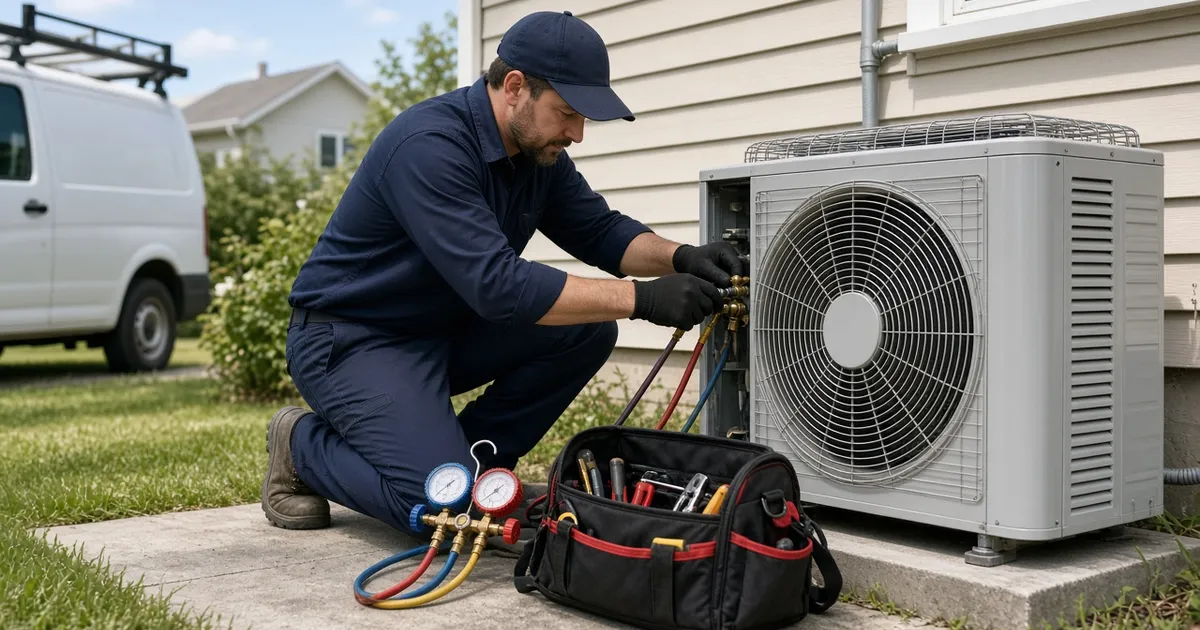
Heating and cooling demand comes in waves, so the work you do before a heat wave or cold snap decides how busy you are during it. A clear website, steady Google reviews, a reminder to past customers and a fast reply put you in front of homeowners when they start calling.
- HVAC demand is seasonal, so preparation pays off.
- Past customers are already ready for tune-ups and repairs.
- Reviews that mention punctuality help in urgent breakdowns.
- A reply in minutes beats a callback the next day.
Why do the weeks before the busy season matter for an HVAC company?
Because the first hot day or cold night sends a flood of people searching at once. The companies they find first, trust fastest and reach most easily get the calls. The ones that start preparing after the rush has started are already behind.
HVAC also runs on repeat relationships. A customer who had a furnace installed or a tune-up last year is a warm lead for the next one, if you remember to reach out.
What should an HVAC website show?
It should help a hot or cold homeowner see that you do the job they need and that they can reach you right now.
| What visitors look for | What to show |
|---|---|
| Services | Repair, tune-ups, installation and replacement for heating and cooling, in plain language |
| Urgent help | Whether you handle no-heat and no-cooling calls and how to reach you |
| Service area | The towns and neighborhoods you cover |
| Proof | Real photos of your technicians and installations, and your license details where required |
Add short guides to the questions people ask: how often to service a system or what to check before calling. They help visitors and are the kind of clear answer search tools can quote. Read how we build this in AI website design.
How do Google reviews help an HVAC company?
When a system fails, customers look for the company that shows up and tells the truth. Reviews about arrival time, clear explanations and fair treatment are what they scan for.
Every season you finish dozens of jobs, and only a few customers think to post a review. Review reactivation asks people you already served for an honest review with a direct Google link, a few at a time. Ask every customer, and do not offer discounts or gifts for reviews, because Google prohibits incentives. Reputation management automates the ask after each job and helps you reply. Database reactivation can also reach customers whose tune-up is due before the season turns.
What belongs on a complete Google Business Profile for an HVAC company?
- Heating and air conditioning as the main category, plus honest extras
- Hours and any emergency availability
- Your service area
- Photos of installs, repairs and your team
- Services listed individually, such as furnace repair and AC installation
Google notes that complete and accurate information makes a profile more likely to show up in local search. Update hours before holidays and busy periods.
Why do a matching email address and fast follow-up matter?
Estimates for system replacements are big decisions, and a branded email address helps the proposal look as solid as the equipment. It also makes it easier for customers to find a message again.
Follow-up is where seasons are won. Late-night breakdown calls and replacement quotes both need fast, steady contact. An AI receptionist can answer after hours and pass urgent calls to your on-call tech. CRM and follow-up sends an instant first text and reminders on open quotes, and email and text handles maintenance reminders.
What mistakes cost HVAC companies the most work?
The biggest one is waiting for the weather to bring in calls. By the time it is hot or cold enough that everyone is searching, you are competing for attention with every other company, and your own crew is too busy to market. Work done in the quiet weeks pays off during the rush.
Another is treating each customer as a one-time sale. A system you installed or serviced is a relationship, and a reminder at the right time brings that customer back instead of letting them search for someone new.
Last, many companies reply slowly to replacement quotes. A homeowner deciding on a new system is making a big purchase and wants to hear from you again. A calm follow-up beats silence.
Where should an HVAC owner start?
- Make a list of customers from the past few seasons and sort them by last service date.
- Send a friendly tune-up reminder, with a booking link, to those who are due.
- Ask recent customers for a Google review with a direct link.
- Turn on an instant reply so every new call or form gets a text within minutes.
If you would like help with any of it, book a free fit call or call us at (720) 734-4021. We will look at where your website, reviews and follow-up stand today and tell you what to fix first. You can also try the missed lead calculator to see what slow replies cost.
Frequently asked questions
When should an HVAC company start preparing for peak season?
Before it starts. Review your profile, website and past customer list a few weeks ahead so you are ready when calls begin.
Can I message past customers about a tune-up?
Yes, people who already hired you can be contacted, as long as you follow the email and texting rules and offer an easy way to opt out.
How do I handle an after-hours breakdown call?
Decide what counts as an emergency, then use an AI receptionist or on-call routing so those calls reach a person quickly.
Does StackFit AI promise a full calendar?
No. We do not promise leads, rankings or revenue. We build the website, reviews and follow-up and report real numbers.
Sources
- Tips to improve your local ranking on Google, Google Business Profile Help (checked November 28, 2026)
- Tips to get more reviews, Google Business Profile Help (checked November 28, 2026)